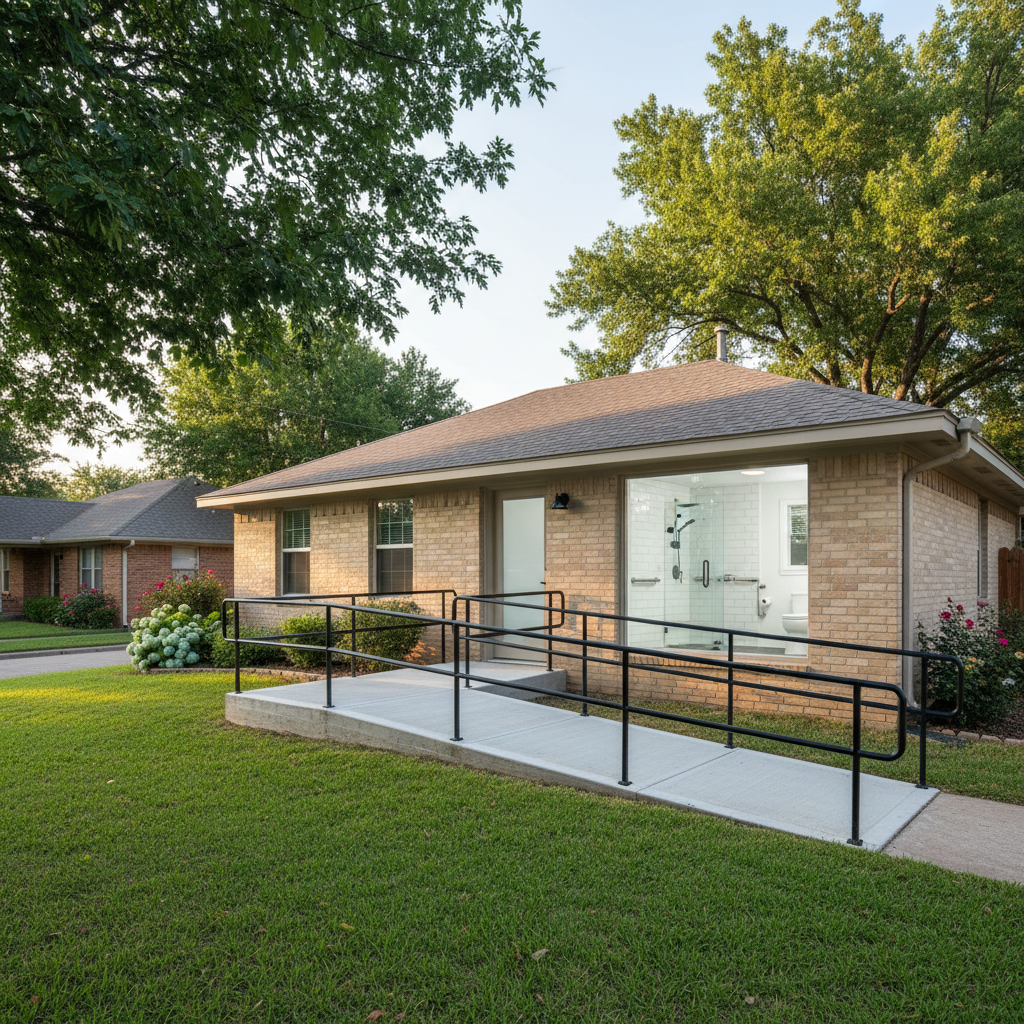
You've decided it's time to make your bathroom work better for everyone in your family, especially if mobility is becoming a concern. That's a smart move, and it's one I get calls about all the time here in Broken Arrow. It's not just about meeting a code; it's about making your home comfortable, safe, and functional for years to come. And let me tell you, there's a lot more to it than just grabbing a grab bar from the big box store.
Why Local Expertise Matters for Accessible Remodels
You might think a bathroom remodel is a bathroom remodel, no matter where you are. But when it comes to accessible design, especially here in Broken Arrow, local knowledge is a big deal. We've got a mix of housing styles, from the older homes in established neighborhoods like those around Main Street and Florence Street, often with smaller bathrooms and tighter layouts, to the newer, more spacious builds out towards the Creek Turnpike. Each type presents its own set of challenges and opportunities for accessibility.
For instance, those older homes? Sometimes you're dealing with original plumbing that needs a serious update, or structural considerations that weren't built with future accessibility in mind. You might need to reconfigure a wall or relocate a drain, which isn't always straightforward. In the newer homes, while space might be less of an issue, you still need to ensure the design integrates seamlessly with the existing aesthetic and doesn't feel like an afterthought. I've worked on enough of these projects to know what to look for before we even swing a hammer.
Common Accessible Bathroom Projects I See Around Here
When folks in Broken Arrow talk to me about making their bathrooms more accessible, a few common themes pop up. Here's what we're usually looking at:
- Roll-in or Curbless Showers: This is probably the most requested feature. Getting rid of that curb makes a huge difference for someone using a wheelchair or even just someone who's a bit unsteady on their feet. We're talking about a seamless entry, often with a slight slope to the drain. It's not just about the shower pan; it's about ensuring the subfloor is prepped correctly, especially with our red clay soil here that can sometimes lead to foundation shifts over time. You want a system that's going to stay watertight and level.
- Wider Doorways: Many older homes, and even some newer ones, don't have doors wide enough for a standard wheelchair or walker. Sometimes it's as simple as swapping out a door frame, other times it means a bit more structural work. It's a small change that makes a massive impact on independence.
- Grab Bars and Reinforcements: This goes beyond just screwing a bar into drywall. You need proper blocking behind the walls to ensure those grab bars can support real weight. I always recommend planning for these during the initial remodel, even if you don't install them right away. It saves a lot of hassle and expense down the road.
- Comfort-Height Toilets: A few extra inches can make a world of difference when getting on and off the toilet. It's a simple upgrade that improves comfort and reduces strain.
- Vanities and Sinks: We often look at open vanities or wall-mounted sinks that allow for wheelchair clearance underneath. And don't forget the faucets! Lever handles are much easier to operate than traditional knobs, especially for people with arthritis or limited dexterity.
Beyond the Basics: Thinking About Your Daily Life
It's not just about the big-ticket items. We also talk about things like lighting – good, bright, even lighting is crucial for safety. Non-slip flooring is a must; I've seen too many slips and falls that could have been prevented with the right tile or vinyl. Even something as simple as where you place towel racks or how high you mount a mirror can impact usability.
When I'm working with a homeowner, I'm thinking about their specific needs. Are we planning for someone who uses a walker, a wheelchair, or just needs a little extra stability? What's their routine like? Where do they need to reach? It's a very personal process, and that's why a cookie-cutter approach just doesn't cut it.
We also consider the climate here. Our hot, humid summers mean good ventilation is key to prevent mold and mildew, especially in a curbless shower. And the occasional ice storm in winter means you want a bathroom that's easy to navigate even if you're a bit stiff from the cold.
At Apex Bathroom Solutions, we're not just installing fixtures; we're designing spaces that truly enhance quality of life. It's about combining functionality with aesthetics so your accessible bathroom feels like a natural, beautiful part of your Broken Arrow home, not like a hospital room. If you're considering an accessible remodel, let's talk about what will work best for your specific situation and your home.